
Both follow professional standards. Both complete the inspection. But will both discover the same warning signs?
Let me share a real experience from a recent new-construction home inspection.
Everything looked nearly perfect! The only deficiency I had identified was a missing GFCI-protected receptacle.
I was beginning to celebrate. Maybe this time I wouldn’t lose another hair! 😂
But then I entered the basement.
MY EQUIPMENT STARTED TELLING A DIFFERENT STORY.
I routinely measure indoor relative humidity using a professional hygrometer.
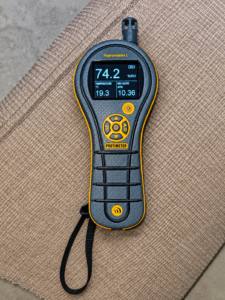
The reading reached 74.2%!
That’s unusually high and worth investigating.
I used my infrared thermal camera. Nothing suspicious appeared.
But I kept looking.
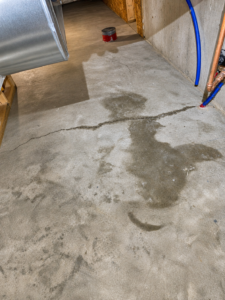
I noticed damp-looking areas on the concrete floor and a small crack near the main water supply line.
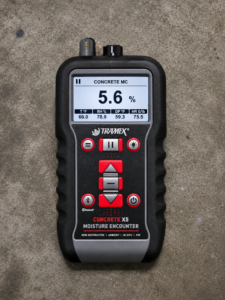
So I reached for another specialized instrument—my professional concrete moisture meter.
The display showed 5.6% on its concrete moisture scale.
These observations didn’t prove a leak, but they raised enough questions that I asked the builder for an explanation.
THE MYSTERY? The builder explained that the concrete floor had been pressure-washed shortly before my inspection.
That was a plausible explanation for the unusual moisture conditions.
But here’s where the story gets interesting.
WHAT IF THE WATER HAD BEEN COMING FROM UNDERGROUND?
What if those readings had been early warning signs of groundwater intrusion or a leaking underground water pipe?
Without further investigation, a concealed moisture problem might go unnoticed until flooring deteriorates, mold develops, or expensive repairs become necessary.
And here’s something most homebuyers don’t know.
Neither InterNACHI nor ASHI generally requires inspectors to measure indoor relative humidity or concrete floor moisture levels during a standard residential home inspection.
Professional concrete moisture meters can be expensive, and not every inspector chooses to invest in this specialized equipment.
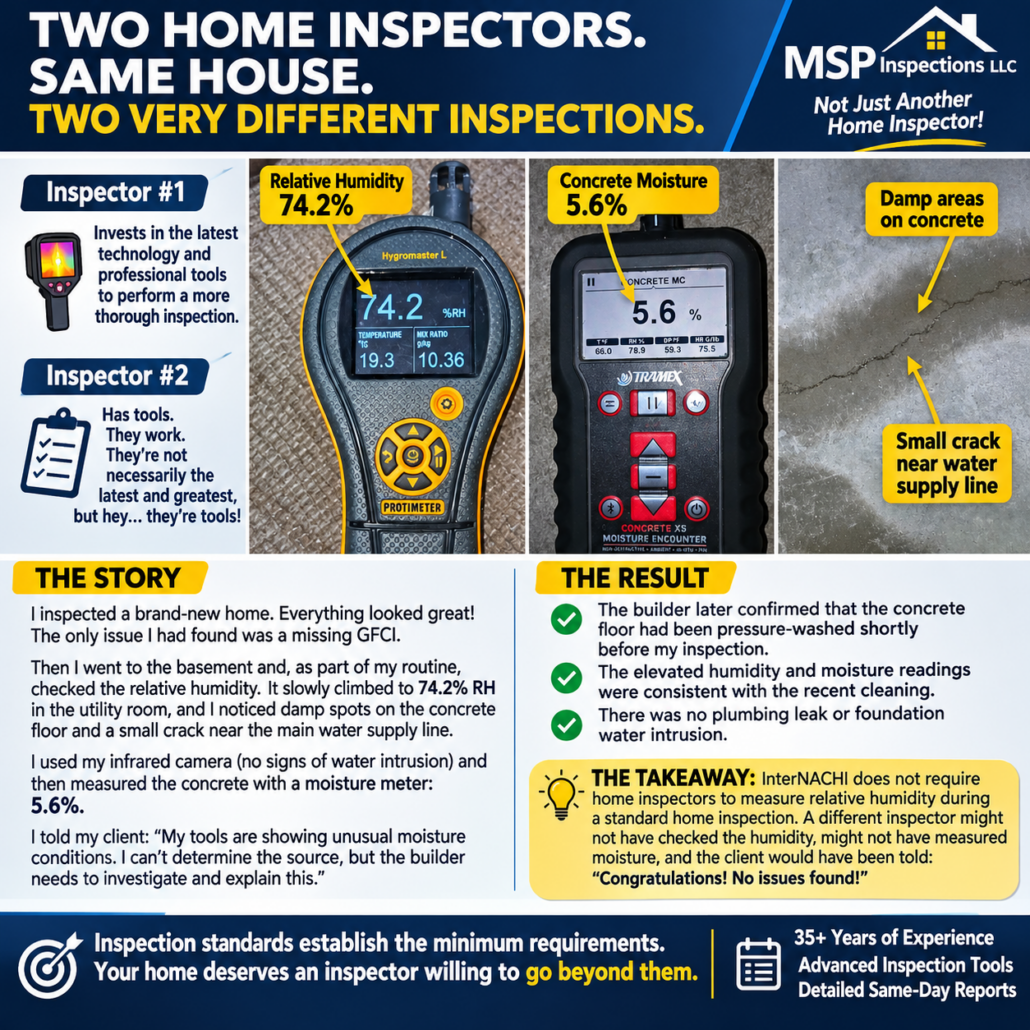
So imagine two inspectors examining the same basement.
Inspector #1 uses advanced diagnostic tools, recognizes unusual moisture conditions, and recommends further investigation.
Inspector #2 performs a standard visual inspection without those additional measurements. If the warning signs aren’t visually apparent, the potential concern might go undetected.
Both may meet the applicable Standards of Practice.
But their clients may receive very different information.
WHY DO I INVEST IN EQUIPMENT I’M NOT REQUIRED TO OWN?
Because advanced tools can reveal early warning signs before significant damage becomes visible.
They don’t predict the future or guarantee that every hidden defect will be discovered.
But they give me another opportunity to identify conditions that could become expensive problems later.
And after 35+ years in remodeling and restoration, I know how important those early warning signs can be.
The real difference between two home inspections isn’t always what inspectors see. Sometimes it’s what their equipment allows them to discover.
MSP INSPECTIONS LLC
Not Just Another Home Inspector!
The tools I invest in today may help protect my clients from the problems they can’t see yet.
🌐 mspinspections.com

 Yury Slutsky-President MSP Inspections LLC
Leave a Reply
Want to join the discussion?Feel free to contribute!